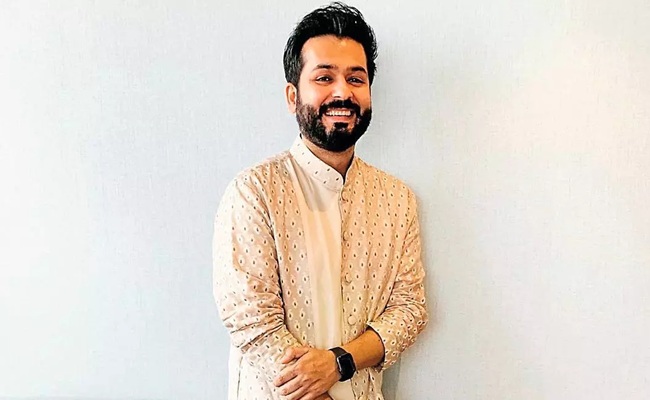



Professor Nageshwar spoke very validly and with clarity on the growing concerns around the PPP model.
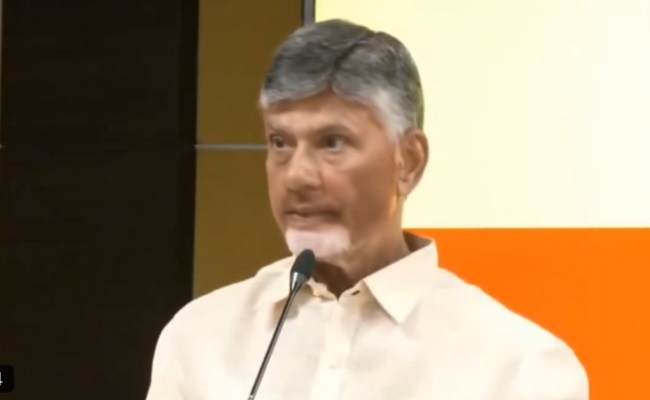
He reminded people that roads built under the Public Private Partnership system are already collecting toll fees from vehicle users, and strongly criticized Chandrababu Naidu for allegedly hiding this reality.
According to the professor, if roads can be monetized in this manner, there is a genuine fear that in the future even schools and colleges may be developed under the PPP model, leading to taxes or fees being collected from students and parents.
He openly expressed concern that education itself may become a burden rather than a right.
Well, here comes the topic of medical colleges built under the PPP model. Attached to every major hospital, there will be a medical college, which means that many of these medical colleges will also be private.
They will collect huge fees from students, and obviously, the hospitals under the PPP model will be privately managed.
When hospitals function under PPP, private control becomes dominant, and free services for the poor, on par with government hospitals, may no longer be available. This raises serious concerns about accessibility and affordability of healthcare.
Millions of poor people who depend on government hospitals for medical care could be left in a state of uncertainty.
If public hospitals are converted into PPP institutions, the very purpose of a welfare healthcare system gets diluted.
Healthcare then shifts from being a public service to a profit driven activity, which can be devastating for economically weaker sections.
Taking this argument further, an important question arises. If education and healthcare are gradually handed over to private players, what exactly will the government’s role remain?
Governance cannot be reduced only to administration and regulation while essential services are left to profit driven entities. Education and healthcare are not luxury sectors. They are basic responsibilities of any welfare state.
If the state reaches a point where there are only private schools, private roads, and private hospitals, the consequences will be severe.
What about the poor who depend on government hospitals for free treatment? What about students from low income families who rely on government schools and colleges? A system that excludes them is neither sustainable nor just.
Professor Nageshwar’s warning is not political rhetoric, but a serious reminder of what happens when public welfare is replaced by private profit.