



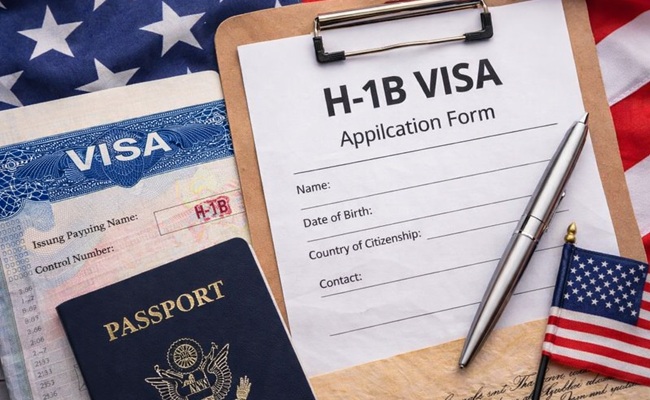
The H-1B visa program, a key route for skilled foreign professionals to work in the United States, is once again at the center of debate as hiring patterns and policies continue to evolve.
A recent report highlights how tech companies remain the biggest employers of H-1B workers, especially in hubs like Silicon Valley.
Companies such as Amazon, Meta, Microsoft and Google have led the hiring of foreign talent in recent years, reflecting the continued demand for highly skilled workers in areas like software development and artificial intelligence.
In regions like the Bay Area, the impact of H-1B workers is clearly visible. Data shows that about one in every 100 workers held an H-1B visa between 2021 and 2024, with a median salary of around $129,000, indicating that these are largely high-skilled, well-paid roles.
The H-1B program, introduced in 1990, allows U.S. companies to hire foreign professionals for “specialty occupations” that require at least a bachelor’s degree.
However, the number of visas is capped at 65,000 annually, with an additional 20,000 reserved for advanced degree holders, making the process highly competitive and dependent on a lottery system.
Despite its importance, the program is facing increasing uncertainty. Some companies have already started reducing or reconsidering visa sponsorships for certain roles, especially after new policy changes and rising costs.
At the same time, new regulations such as a proposed $100,000 fee for H-1B hires have created anxiety among employers and workers alike.
While the fee is expected to impact hiring decisions, experts say it may also push companies to move jobs outside the U.S. if hiring foreign talent becomes too expensive.
Supporters of the program argue that H-1B workers are essential for innovation and help fill critical skill gaps. Critics, however, claim that the program may disadvantage American workers, especially during periods of layoffs in the tech sector.
Overall, the future of H-1B jobs in the U.S. remains uncertain. While the demand for global talent continues, policy changes and economic pressures are reshaping how companies approach hiring, making it a crucial issue for both employers and skilled workers.