



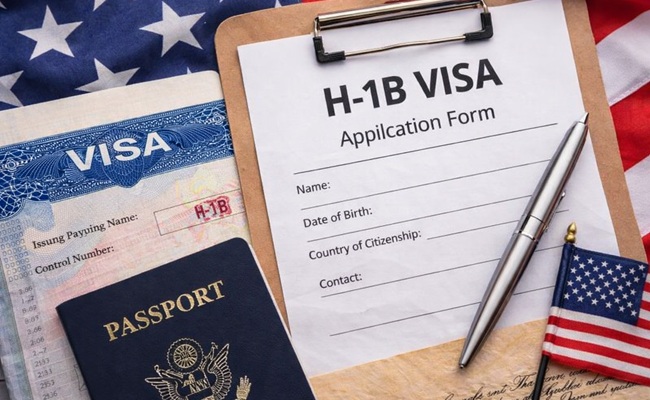
A new bill introduced in the U.S. House of Representatives proposes a complete halt on new H-1B visas for three years, along with sweeping changes to the program.
The legislation, titled the End H-1B Visa Abuse Act of 2026, has been introduced by Eli Crane. It aims to drastically tighten the system once it resumes.
Under the proposal, the annual H-1B cap would be reduced from 65,000 to 25,000, with exemptions removed and visas limited to a single three-year term.
Employers would also have to prove they could not find qualified American workers before hiring foreign talent and confirm that no recent layoffs of U.S. employees had taken place.
The bill pushes for a wage-based selection system instead of the current lottery and sets a steep minimum salary of $200,000 for H-1B workers. It also seeks to ban third-party staffing firms from employing H-1B visa holders.
In a major shift, the proposal includes a $100,000 fee for H-1B petitions, extending even to workers changing jobs.
The bill goes further, proposing to bar H-1B holders from bringing dependents, eliminate the Optional Practical Training (OPT) program, and prevent visa holders from transitioning to permanent residency. It also mandates that nonimmigrant visa holders leave the U.S. before changing their visa status.
Supporters of the bill argue that the current system disadvantages American workers and needs strict reform.
Several lawmakers backing the proposal have described the H-1B program as flawed and misused by corporations.
The move comes at a time when the H-1B system is already undergoing changes in 2026, including stricter rules, higher costs, and a shift toward wage-based selection.
Originally introduced under the Immigration Act of 1990, the H-1B program allows U.S. companies to hire foreign workers in specialised roles, with Indian nationals forming the largest share of recipients.
If passed, the bill could significantly reshape the future of skilled immigration to the United States.