


Media management is an essential part of modern politics, but when it crosses a certain limit, it becomes counterproductive.
The current trend of overzealous PR surrounding the Telugu Desam Party is a clear example of how excessive media management can damage a party’s credibility rather than enhance it.
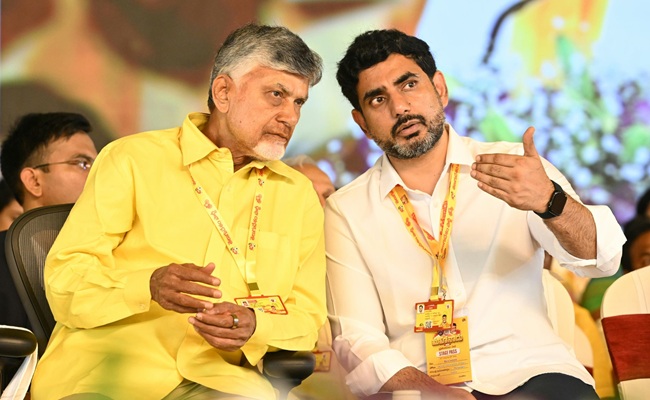
Some TDP supporters appear to have lost common sense in their desperation to generate flattering media coverage aimed at impressing Nara Lokesh and N. Chandrababu Naidu.
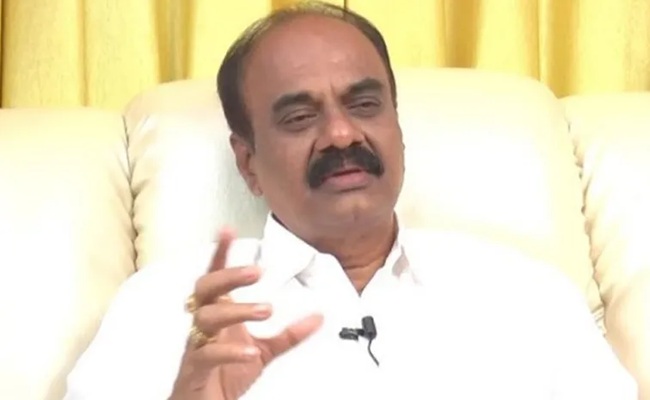
A recent example that drew national ridicule was when a TDP spokesperson Deepak Reddy spoke on national television about Lokesh allegedly attempting to solve aviation issues.
Instead of earning praise, the statement attracted widespread trolling across the country.
Even supporters of the party openly criticized the spokesperson, stating that such comments embarrassed TDP on a national platform.
Now, the latest PR stunt has gone far beyond logic. A Media report from Reuters, projecting Chandrababu Naidu or Lokesh as potential future prime ministerial candidates after Narendra Modi are nothing short of laughable.
The argument that Modi is “getting old” and hence Chandrababu Naidu has a chance ignores a basic fact, Chandrababu Naidu is of a similar age. If the narrative instead shifts to Lokesh, basic political sense suggests that without serving two or three strong terms as a chief minister and building nationwide influence, occupying the prime minister’s chair is virtually impossible.
There is also the harsh arithmetic of national politics. Andhra Pradesh has only 25 Lok Sabha seats. Even in a massive wave, TDP might win around 16 seats. Even if all 25 are won, that is nowhere near even 5% of Parliament’s strength. How, then, can anyone realistically project prime ministerial ambitions?
More dangerously, such exaggerated PR stories risk irritating powerful BJP leaders at the Centre, including Amit Shah and Yogi Adityanath. This kind of media management can create suspicion within the national leadership about TDP’s hidden ambitions, ultimately pushing the party into unnecessary political trouble rather than strengthening its position.
Criticism is now growing strongly that even the prestigious Reuters has reduced itself to the level of ABN and TV5 with this article, becoming a laughing stock in the process.
Basing themselves on Reuters’ comments, a few TDP-friendly channels and journalists have already started beating the drums.
TDP’s media management and PR stunts have become highly volatile, resembling a ticking time bomb under the party’s own seat.
Instead of strengthening its image, this excessive and unrealistic publicity risks damaging credibility, inviting ridicule and creating unnecessary political complications at both state and national levels.