


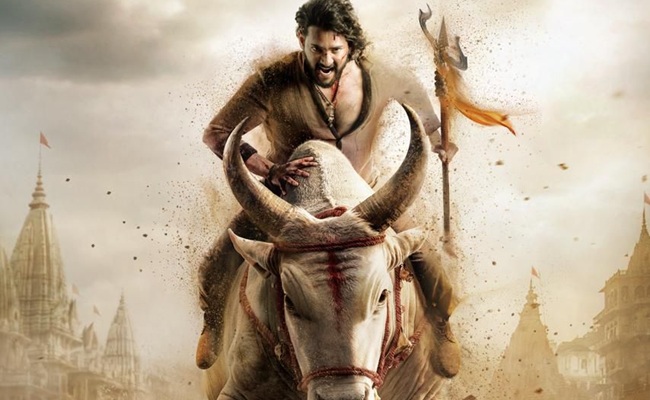
The makers of Varanasi, directed by S S Rajamouli, have outlined the thinking behind the film’s carefully planned theatrical release and its distinctive promotional approach, which began with a cryptic on-ground installation in the holy city of Varanasi.

Sometimes, one good teaser is enough to create strong buzz for a film. Maa Inti Bangaram, the second film produced by Samantha Ruth Prabhu, has done exactly that.
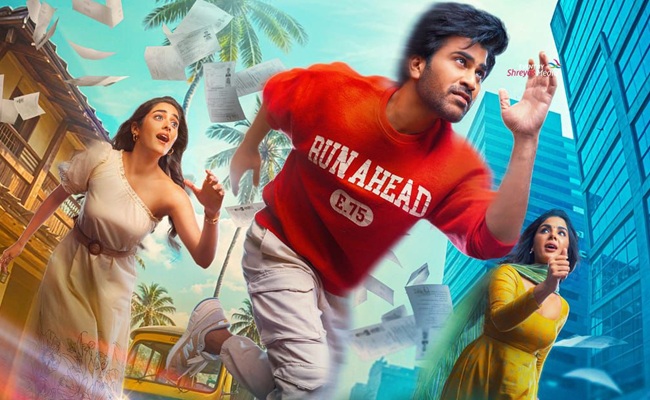
Vaa Vaathiyaar, titled Annagaru Vasthunnaru in Telugu, is the film that released for this Pongal/Sankranthi.

Andrea Jeremiah proves that age is nothing but a number. At 40, she carries herself with the effortless glow of someone in her early twenties.

The upcoming film Bhagavanthudu stars Thiruveer and Faria Abdullah in the lead roles. The makers unveiled the teaser today, and it delivers a strong impact.

Mana Shankara Vara Prasad Garu has emerged as the perfect Sankranti winner at the Indian box office, continuing its smooth run even after entering the ₹200 crore club.

Marokkasari, an upcoming Telugu feel-good romantic drama, has created a unique milestone in Indian cinema by becoming the first Indian film to be shot at the iconic Gurudongmar Lake in Sikkim.

Director Ajay Bhupathi, known for his intense storytelling, is introducing Jaya Krishna Ghattamaneni as the lead actor in the film Srinivasa Mangapuram.
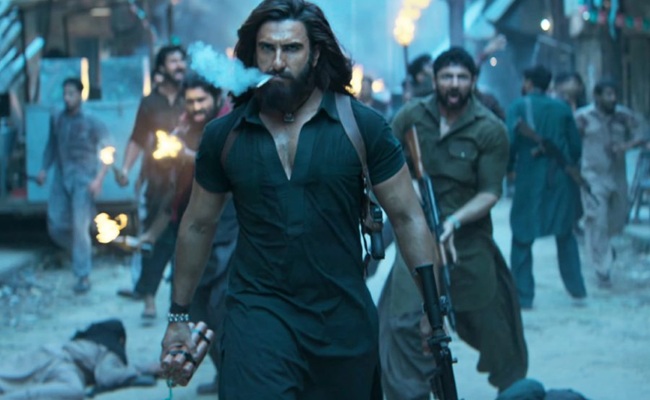
As Dhurandhar, directed by Aditya Dhar, continues to run in select theatres, the espionage thriller has now made its way to OTT.
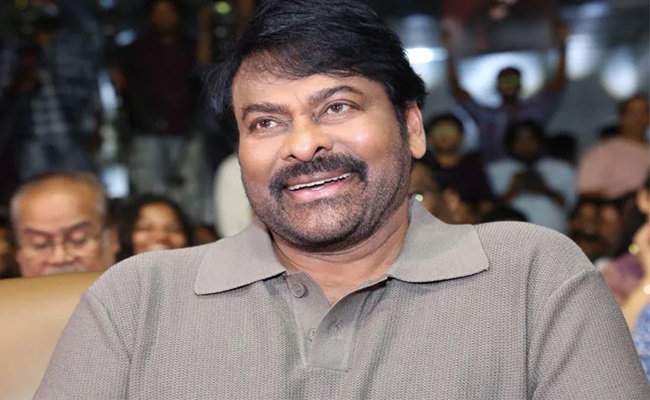
At the recent success meet of Mana Shankara Vara Prasad Garu, a few media members extended their wishes to Megastar Chiranjeevi and politely requested an opportunity for a personal interaction.
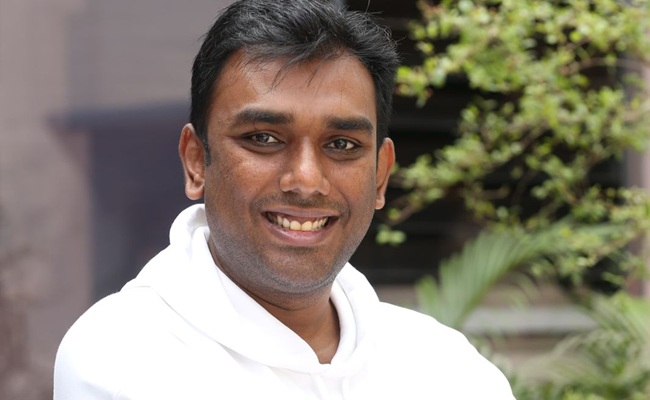
MovieVerse Studios steps into Telugu cinema with the grand worldwide release of Om Shanti Shanti Shanti releasing January 30.

The Telugu romantic motorsport drama Biker, starring Sharwanand and Malavika Nair, is finally gearing up for its theatrical release.

Age is just a number, and Shriya Saran proves it yet again with her latest photoshoot that is now setting the internet abuzz.
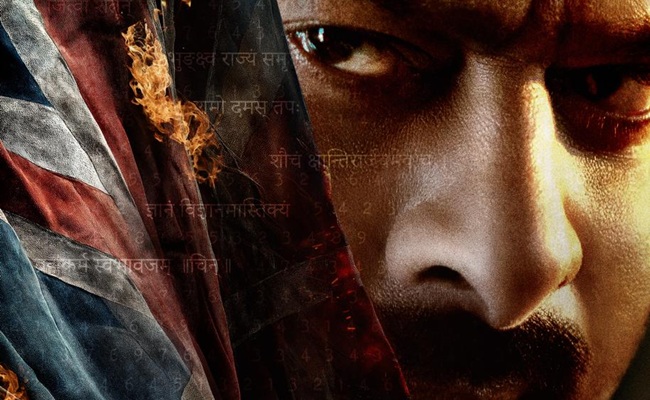
Rebel Star Prabhas’ much-awaited Pan-India spectacle Fauzi has been building solid momentum- first with its arresting pre-look poster and then with a striking title poster that further fuelled curiosity.
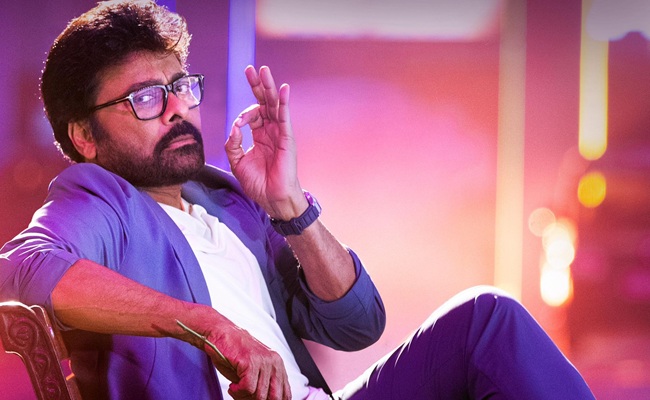
After showing a strong hold during the Republic Day period, Mana Shankara Vara Prasad Garu has begun to witness regular weekday drops.