



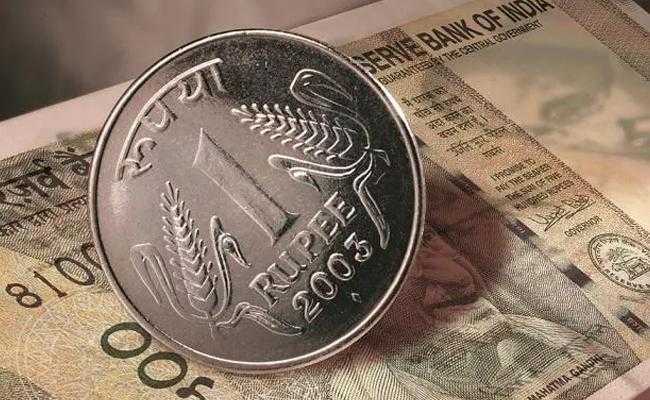
When Narendra Modi became Prime Minister in June 2014, the dollar to rupee exchange rate was around Rs 62.
Today it has climbed close to Rs 90, marking the weakest level in India’s currency history. This is striking because Modi, as Chief Minister, once attacked Manmohan Singh for a weakening rupee and called it a sign of poor governance.
During ten years of UPA rule, the rupee fell by about Rs 20, but in eleven years of Modi’s rule the fall has already crossed Rs 28.
The decline is sharper than that of most global currencies and brings India closer to the performance of weaker economies.
Even so, some supporters claim the dollar rate does not affect them, but the reality is different.
A falling rupee increases fuel prices, inflation, import costs, education abroad expenses, and loan burdens. India’s currency continues to weaken with no clear sign of recovery.
To stop further decline and strengthen the rupee, India must act aggressively through a combination of higher exports, lower imports, controlled inflation, strong foreign investment, growth in forex reserves, and timely RBI intervention.
Without these steps, the rupee may easily head toward the Rs 100 mark before 2029. But higher exports akin to China!! Is this possible with the present mood of the nation?
What our PM and his cabinet do to motivate the youth and encourage mass production is the question.