


The controversial remarks made by actor Sivaji against women during the promotional event of a film the other day kicked up wider debate in the media and film circles, drawing serious condemnation from all sides; even the Telangana women’s commission issued a notice to him for his dirty words.
Coming under pressure from all sides, Sivaji was forced to tender an apology for his loose talk, though he defended that he had made the comments on women’s attire with good intentions.
Yet, the debate continues to set the social media by storm. In fact, the debate has gone beyond Sivaji’s comments, attacking the other Telugu actors, lyricists and dialogue writers for using misogynist, sexist language, and double meaning words.
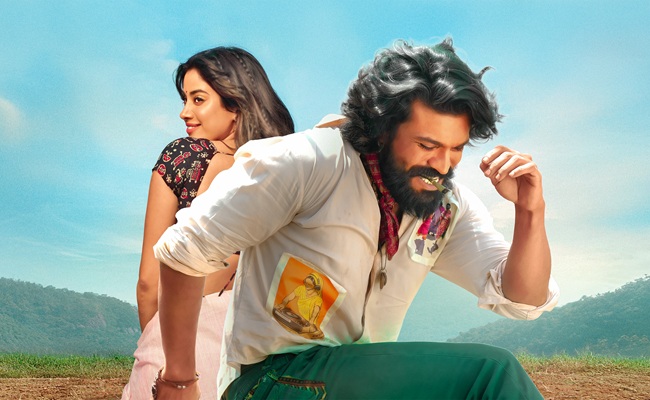
The focus has now shifted to the latest superhit song – “Chikiri, Chikiri” – in the upcoming film “Peddi” starring Ram Charan, in which the lyricist liberally used words like “Deenakka” and “Saruku Samaan.”
Yet, the song has become a chartbuster, with nobody, including women artistes who are now raising a hue and cry over Sivaji’s remarks, making any ruckus.
Analysts say the lyricist casually employs phrases like “saruku samaan,” reinforcing the same objectification that Sivaji was accused of—yet without attracting similar outrage.
References like “Deenakka” and “Gunta” which are slang expression with clear vulgar connotations, depicting a male reaction to a woman’s appearance.
“If Sivaji says it, he is attacked. If a star like Ram Charan appears in a song with such lyrics, no one dares to question it,” commented a netizen in a Facebook post.
Many wonder whether lyricists themselves fully grasp the meaning and implications of the words they write, or whether such language has become normalised under the guise of “industry culture.”
There are many such instances across films and television in which actors liberally used such sexist comments against women.
Actor Nani’s casual use of the word “bancheth” in a film and later on a television show—mistakenly treating it as a positive expression—has resurfaced on social media.
Similarly, Ravi Teja’s recent song featuring abusive references like “Neeyammanu, Neeyakkanu, Nee Chellenu…” also came in for sharp criticism. Though he justified the lyrics during promotional interviews, they have now come in for criticism on social media.
“Is there any writer who never used obscene words, any director who avoided them, or any hero who refused to perform them?” asked one commentator, summing up the frustration over inconsistency in moral scrutiny.
Adding weight to the debate, actress Radhika Apte’s past remarks have resurfaced.
She had stated that during one Telugu film shoot, she was the only woman on set and felt surrounded by an atmosphere that treated women as commodities.
Disturbed by the conversations and attitudes, she said she decided to stop working in Telugu cinema altogether.