


US companies and Indian professionals are facing a surge in hostility following sweeping changes to the country’s skilled-worker visa system under the administration of Donald Trump, according to experts quoted by the Financial Times.
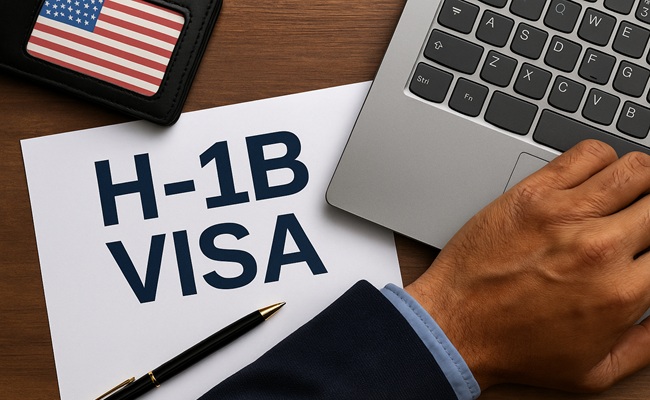
The backlash has been linked to policy revisions announced in September that significantly reshaped the H-1B visa programme.
Under the revised framework, the H-1B application fee has jumped sharply to $100,000, and selection is now based largely on wages, favouring higher-paid roles.
The administration has defended the changes as measures aimed at protecting American workers. From February, the rules are expected to tighten further, with priority given to the highest-paid candidates, classified as Level-IV H-1B applicants—making it far more difficult for many skilled migrants to qualify.
As the new rules came into effect, several major US corporations, including FedEx, Walmart and Verizon, became targets of online abuse. Social media users accused these firms of illegally “selling jobs” to Indian workers.
Raqib Naik, executive director of the Center for the Study of Organized Hate, said some of the attacks appeared to be part of organised campaigns.
He noted that Indian American entrepreneurs who received loans from the government-backed Small Business Administration were singled out for coordinated harassment.
According to Naik, Indians are increasingly being portrayed as “job stealers” and “visa scammers.”
Data from advocacy group Stop AAPI Hate, along with counterterrorism firm Moonshot, shows a worrying trend.
Threats of violence against South Asian communities rose by 12 percent in November, while the use of online slurs targeting South Asians surged by 69 percent during the same period.
The rise in hostility has coincided with increased migration of Indian professionals to the US.
American companies have relied heavily on talent from India—particularly software developers, engineers, doctors and researchers—to fill skill shortages where domestic candidates are limited.
Tensions escalated further ahead of Christmas after a video showing a damaged FedEx truck went viral on social media. The clip triggered a wave of abuse aimed at FedEx’s Indian-origin CEO, Raj Subramaniam.
Some posts included openly racist remarks, while right-wing commentators accused him of laying off White American workers and replacing them with Indians.
FedEx strongly rejected these claims, reiterating that its hiring decisions are strictly merit-based. The company said it takes pride in its diverse workforce, which reflects the more than 220 countries and territories it serves.
The backlash is unfolding alongside a broader shift in corporate America. Over the past year, several companies have scaled back or paused diversity, equity and inclusion initiatives after criticism from conservative groups who argued that such programmes disadvantaged White Americans.
Observers say this rollback, combined with stricter immigration rules and charged political rhetoric around jobs, has created an environment in which Indian professionals and businesses are increasingly being targeted.