



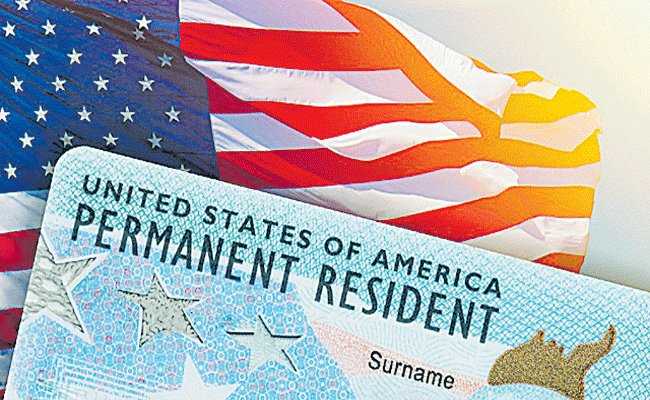
In a controversial move, the United States has reportedly expanded its immigration screening criteria, with new guidelines indicating that criticism of Israel could negatively impact green card applications.
According to recent reports, immigration authorities have been instructed to treat certain political expressions; particularly those seen as anti-Israel or aligned with what officials classify as “anti-American” or “antisemitic” views; as strong negative factors during the evaluation process.
The updated guidance, part of broader training materials for Department of Homeland Security officials, highlights social media activity, public statements, and participation in protests as areas of scrutiny.
Expressions such as support for pro-Palestinian movements or criticism of Israeli policies may now be examined more closely while assessing an applicant’s eligibility.
Authorities are said to be particularly focused on identifying individuals who may be perceived as endorsing extremist ideologies or engaging in rhetoric viewed as hostile to US interests or its allies.
These factors are reportedly categorized as “overwhelmingly negative” in discretionary decisions on immigration benefits.
The development has sparked widespread debate, with critics arguing that the policy blurs the line between national security concerns and freedom of expression.
Civil rights advocates warn that equating political criticism with disqualification could set a precedent that restricts legitimate dissent.
Supporters of the move, however, argue that immigration policies have always included ideological and security-based vetting, and that the updated rules are intended to prevent the entry of individuals who may pose broader risks.
The move is part of a wider tightening of US immigration policies, which have increasingly focused on stricter scrutiny of both legal and employment-based immigration pathways.
As discussions continue, the policy raises key questions about how far governments can go in evaluating personal beliefs and online expression in immigration decisions; especially in a digital age where opinions are widely shared and easily accessible.