



In recent days, the developments in the Gulf region involving tensions between Iran, Israel, and the United States have begun to create anxiety far beyond the battlefield.
In India, the effects are not yet about actual shortages, but about fear of shortages and that fear is spreading quickly.
Within just ten days of the conflict escalating, panic reactions have started appearing across different parts of the country.
The first signs were seen in Kolkata, where many households rushed to book LPG cylinders fearing supply disruptions.
Soon after, Bengaluru began reporting shortages of commercial LPG cylinders, which directly affected hotels, restaurants, and small food businesses.
“We normally plan our cylinder supply for weeks,” said a restaurant owner in Bengaluru. “But when everyone suddenly tries to stock up, the supply chain gets disturbed.”
The ripple effects have now reached Punjab and Haryana, where wedding feast organizers and catering businesses say they are struggling to arrange commercial cylinders.
In a country where weddings are massive social events, such shortages quickly turn into economic stress for small businesses.
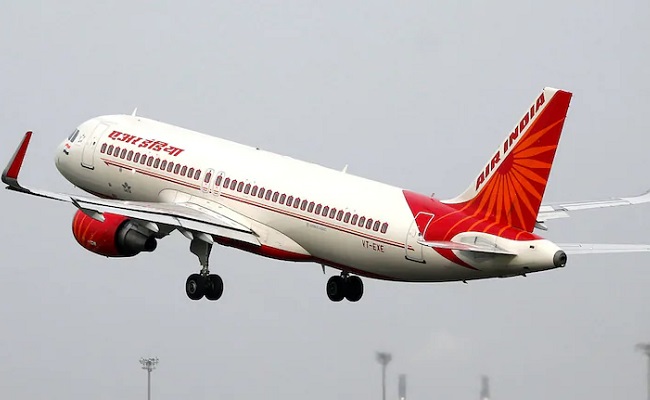
At the same time, another concern is emerging. Airlines such as Air India are reportedly preparing to increase ticket prices, citing possible fuel cost pressures.
For many passengers, this raises suspicion that some industries may use the situation to justify higher prices.
“Every time there is global tension, ticket prices shoot up,” said a frequent traveler. “It feels like the consumer is always the first to bear the cost.”
Meanwhile, rumors about possible petrol and diesel shortages are also circulating. In some areas, longer queues at fuel stations have been noticed as people rush to refill tanks in advance.
All of this raises an uncomfortable but important question, why does panic spread so quickly in India during crises?
Whether during the COVID-19 lockdown or during geopolitical tensions, the pattern often looks similar uncertainty, rumours, sudden stockpiling and rising prices.
Experts believe the core issue is communication. When information about supply, reserves and contingency plans is not clearly communicated, speculation fills the gap.
“If the government issued daily briefings about fuel reserves and supply chains, half the panic would disappear,” an economist observed. “People don’t panic when they feel informed.”
Crisis management is not only about having resources; it is also about reassuring the public with transparency and clarity. In times of uncertainty, trust becomes as important as supply itself.
If citizens know what to expect, they are less likely to rush into panic-driven decisions that make the situation worse.