
 Epaper




The outcome of the recently concluded Assembly elections in Tamil Nadu and West Bengal has once again sparked a debate in media circles on whether voters are rejecting dynasty politics, apart from governance issues.
According to analysts, one of the key factors behind the defeat of the Dravida Munnetra Kazhagam in Tamil Nadu and the Trinamool Congress in West Bengal was the perception of nepotism involving party leaders M K Stalin and Mamata Banerjee.
Stalin has been promoting his son Udhayanidhi Stalin as his political successor, even appointing him as Deputy Chief Minister.
In West Bengal, Mamata Banerjee has given significant influence to her nephew Abhishek Banerjee, who is widely seen as a key power centre in the government.
Udhayanidhi faced criticism over alleged corruption and controversial remarks, with opposition parties accusing the DMK of turning governance into a “family enterprise” — a perception that reportedly did not go down well with voters.
Similarly, in West Bengal, Abhishek Banerjee has been accused by rivals of acting in an authoritarian manner, including allegations of intimidating voters and targeting political opponents.
Analysts say such perceptions of nepotism and family-driven politics may have done more harm than good for both parties, contributing to voter backlash.
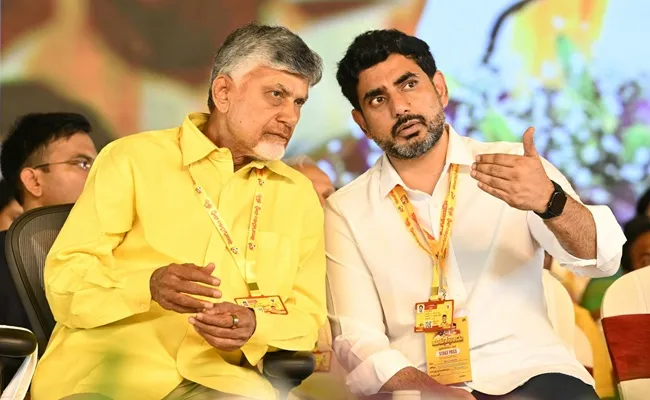
A similar debate is now emerging in Andhra Pradesh. Like Stalin, N Chandrababu Naidu is seen as promoting his son Nara Lokesh as his political heir.
Lokesh has been made the working president of the Telugu Desam Party, and there are clear indications that he could be projected as the party’s future Chief Minister candidate.
Though Lokesh does not officially hold the post of Deputy Chief Minister, he is widely believed to be playing a dominant role in administration, with key decisions reportedly routed through him or his close aides.
There are also reports of dissatisfaction among some senior leaders regarding his style of functioning, though many are said to be reluctant to express their views openly.
Allegations have also surfaced about irregularities in areas such as land allotments, projects, and mining. Critics argue that if such concerns exist now, they could become more serious if Lokesh eventually takes over as Chief Minister.
In light of the election outcomes in Tamil Nadu and West Bengal, analysts are now questioning whether Naidu may reconsider the pace at which he is promoting his son.
“It is difficult to predict voter sentiment, but if the anti-dynasty narrative gains strength in Andhra Pradesh as well, it could pose a challenge for Naidu,” an analyst said.
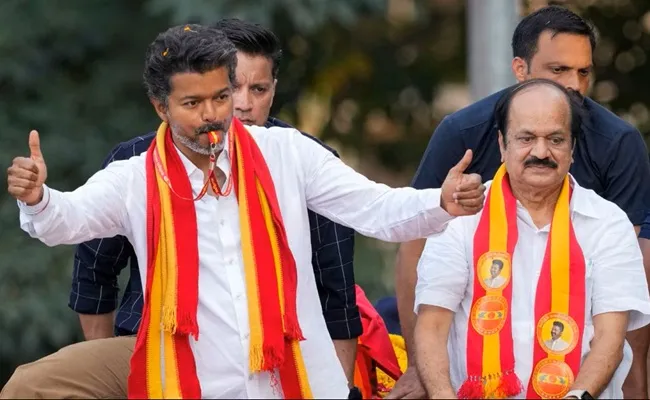
At the same time, observers point out that, as seen with C Joseph Vijay in Tamil Nadu, voters may look for a credible alternative political force in Andhra Pradesh. Otherwise, Y S Jagan Mohan Reddy could stand to benefit politically.