



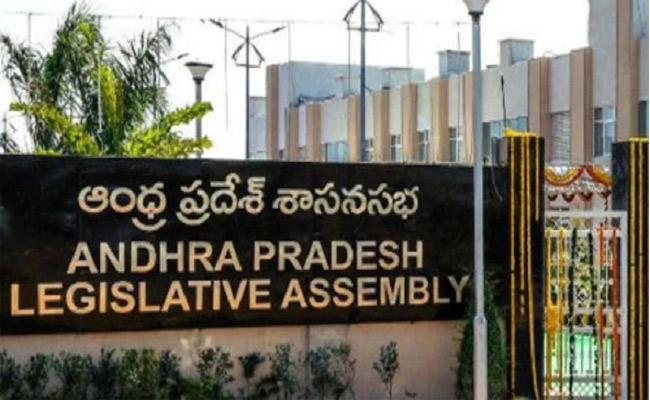
The Andhra Pradesh government’s move to secure legal status for Amaravati through a special Assembly session has triggered a strong reaction from the opposition YSR Congress Party (YSRCP), which questioned why the proposal was not being introduced in the Legislative Council as well.
The YSRCP described the move as a “big drama” aimed at diverting public attention and misleading Amaravati farmers, allegedly with the intention of acquiring their lands for a second phase.
The party also claimed that the Chandrababu Naidu government was avoiding the Council because the resolution could face resistance there, given the YSRCP’s numerical strength in the Upper House.
However, legal and constitutional experts said the resolution does not require the approval of the Legislative Council, as the present exercise involves a resolution, not a conventional state bill.
This distinction is important because the current move is fundamentally different from the earlier three-capitals legislation introduced by the previous YSRCP government.
According to experts, the present resolution is meant to formally request the Central government to amend the relevant central legislation, so that Amaravati gets statutory backing, making it harder for any future state government to alter the capital arrangement.
As part of the current legal strategy, the government is trying to build a strong “legal firewall” by seeking an amendment to Section 5 of the Andhra Pradesh Reorganisation Act, thereby protecting Amaravati from future policy reversals.
Normally, in a bicameral legislature like Andhra Pradesh, a bill must be passed by both the Legislative Assembly and the Legislative Council before it can become law.
But a resolution is different. It is essentially an expression of the opinion or will of the House. Since its primary purpose is to initiate the process for a Parliamentary amendment at the Centre, approval by the Assembly alone is considered sufficient at this stage.
“The resolution is being adopted as per the advice of the Prime Minister’s Office, as it is essential for a Constitutional amendment bill,” an expert said.
The situation was very different in 2020, when the then YSRCP government introduced the Andhra Pradesh Decentralisation and Inclusive Development of All Regions Bill, which was a state bill.
Under Article 197 of the Constitution, a normal bill in a state that has a Legislative Council must pass through both Houses.
At that time, although the ruling party had a majority in the Assembly, it did not have enough strength in the Council.
The Council then used its powers to refer the bill to a Select Committee, effectively stalling it and creating a constitutional and political deadlock.
The government later withdrew the bills in 2021, citing technical reasons and pending proceedings before the High Court.