


Ahead of the second phase of land pooling for the Amaravati capital region, farmers from several villages have begun articulating two major sets of demands; enhanced annual lease amounts and clearer guarantees on social infrastructure including education and healthcare.
Although farmers had earlier agreed to certain terms during village meetings presided over by Pedakurapadu MLA Bhashyam Praveen, several groups are now expressing reservations.
They argue that the lease amounts must be higher than what was offered during the first phase of land pooling.
Under the original arrangement, farmers were paid an annual lease of Rs 30,000 per acre for dry lands and Rs 50,000 per acre for fertile (wet) lands, with incremental increases each year.
Farmers now want the same rates currently applicable to Phase-1 farmers, or at minimum a new baseline of Rs. 60,000 per acre per year for Phase-2 participants.
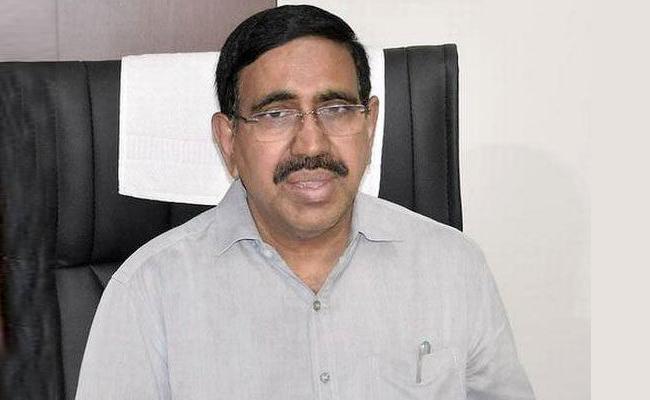
According to sources, the issue was discussed extensively on Thursday after a breakfast meeting that some farmers had with State Minister for Municipal Administration P Narayana.
Subsequently, groups from two to three villages reportedly planned to place formal demands before the minister.
Another team of farmers met at a hotel in Guntur, where discussions focused on two key issues: annual lease enhancement and a proposal to allot 1,800 square yards of developed plots per acre in return.
Farmers intend to first present these demands to Narayana, who they expect will brief the Chief Minister and negotiate a mutually acceptable framework.
Farmers also want the government to address smaller landholders’ concerns. In many Phase-1 pooling areas, landless poor residents receive Rs 5,000 per month, amounting to Rs 60,000 per year.
Farmers argue that those entering the new pooling phase; particularly those owning only half an acre or one acre; should be compensated on par with beneficiaries of the earlier model, irrespective of land size.
Healthcare and education services are another major focus. Farmers want explicit clarity on what medical facilities will be accessible once their lands fall within the capital development zone, and what educational opportunities will be available to their children.
Meanwhile, tensions are rising over MLA Bhashyam Praveen’s handling of the issue.
Several farmers say they are dissatisfied with his approach, alleging that he has been insisting all discussions must happen only through him and discouraging direct communication with ministers.
Farmers recall that similar concerns emerged during earlier village meetings, where the MLA allegedly displayed impatience when farmers attempted to express divergent views.
During a recent meeting in Yendrayi, he reportedly reacted angrily when farmers raised questions about their future under the pooling scheme.
This has led to growing discontent, with farmers arguing that their apprehensions can only be resolved through direct interaction with minister Narayana.
With the government preparing for the next phase of Amaravati development, the outcome of these negotiations is expected to significantly influence the pace and public acceptance of land pooling in the region.