


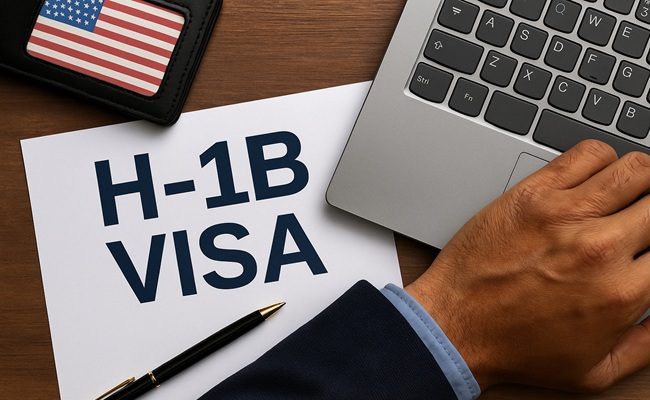
The U.S. State Department’s recent expansion of social media screening for H-1B visa applicants has led to a significant rise in 221(g) slips issued by consular officers, leaving many skilled workers in limbo as they await final visa decisions.
Starting December 15, 2025, the U.S. government began reviewing the social media accounts of H-1B applicants and their dependents as part of routine visa processing.
Instead of immediate approval or rejection, many applicants are now being handed a 221(g) slip, which signals that the application will undergo administrative processing before a final decision is made.
The 221(g) designation does not mean a visa has been denied; rather, it indicates that the application requires additional review.
Consular officers have been asking applicants whether their social media accounts are public and then placing the case under extended scrutiny.
Some applicants have seen their visa status updated to “approved” the same day, while others continue to wait for several days or longer before progress is reflected online.
One key sign observed by applicants is whether the consulate retains the passport during the process.
When the passport is kept, many interpret it as a positive indication that approval may come sooner. In contrast, passports returned to applicants often suggest that the review could take two to three months or more.
The expanded vetting is part of broader changes by the U.S. State Department to include online presence reviews for H-1B and H-4 (dependent) visas, similar to screenings already in place for student and exchange visas. Applicants are now instructed to make their social media profiles public prior to interviews, although even profiles set to public have still triggered 221(g) slips in recent interviews at U.S. consulates in India.
Visa seekers have shared their experiences online, with some describing interviews where officers specifically asked about LinkedIn, Facebook, and other social media accounts before issuing a 221(g) slip for additional processing.
These changes have led to delays and uncertainty, especially for professionals travelling from India to attend visa stamping appointments. In some cases, interviews scheduled for mid-December were rescheduled for early next year due to the new vetting requirements.
As H-1B applicants—and the global workforce that depends on U.S. visas—adjust to the evolving process, immigration lawyers are advising applicants to review and align their social media presence with their applications to minimise potential red flags during interviews.
Note: 221(g) administrative processing can take varying amounts of time depending on the nature of the review and additional documentation requested by the U.S. consulate.